AI moves fast. We still need room to think.
AI helps our small team explore bigger possibilities, but the extra speed can bring extra pressure. As we prepare for our next AI Activator, I’m reflecting on ambition, mental load and looking after our crew.

AI moves fast. We still need room to think.
Reading Aytekin Tank’s Entrepreneur article about AI and mental overload, I recognised something of myself.
He describes how the time AI saves can quickly fill with more projects, more decisions and more work to oversee. We gain speed, then fill the space we’ve created.
At GoodShip*, we’re a small team aiming for big things. AI helps us explore ideas and create things that would previously have been difficult for a team our size. That’s exciting. It opens doors for us and for the people we work with.
But the pace of business, combined with the pace of AI, can become a lot to carry.
A small team with big ambitions
Some of that is on me. I see something we could make better and my brain immediately starts working on how. Another connection, another opportunity, another way to make a project more useful.
AI makes those thoughts easier to explore, which also makes them harder to leave alone.
As we prepare for our next AI Activator, I’m particularly aware of that.
The work before the students arrive
Before the students arrive, we’re already in one of our most intense periods. There’s research, sourcing live project briefs, understanding the organisations involved and shaping challenges that will give participants something meaningful to work on.
We want those briefs to stretch people while giving them a realistic opportunity to explore, create and present something useful in five days. That takes thought, conversation and judgement.
AI helps us research a subject, organise information and question our initial ideas. But every extra avenue brings something else to read, check or decide upon. Producing material faster doesn’t remove the responsibility of making sense of it.
Then we hit delivery week
The enjoyment will be off the scale. So will the load.
Supporting students, seeing their confidence grow and watching their ideas take shape is a huge part of why we do this. We care deeply about getting it right.
We see what those opportunities can lead to within our own crew. Abu took part in the original AI Activator pilot as an LJMU student. Now he helps us deliver it for others. His story of moving from participant to crewmate captures why this work means so much to us.
That’s part of what makes managing the intensity important. We want to keep creating these opportunities and have the capacity to deliver them well.
What UK research suggests about AI and workload
Optimism and overwhelm can exist together
Henley Business School’s 2026 research, surveying 2,900 full-time UK workers, found that 58% were optimistic about AI at work, while 61% felt overwhelmed by the pace of its development.
Those are separate findings across the sample, rather than a count of individuals experiencing both. But they reflect a tension I recognise personally: feeling positive about the possibilities while struggling to keep up with them.
Better work can still mean more work
PwC’s October 2026 UK findings bring the workload question into sharper focus. Among UK AI users, 70% reported improved work quality, yet 44% reported increased workload and 45% said their roles had become more complex.
That feels relevant to a small business. We can now attempt more, explore more and produce more. We still have the same people making the decisions and delivering on the commitments.
A study of 465 UK SME employees, co-authored by researchers at Birkbeck, also found that generative AI could provide useful resources while adding demands associated with exhaustion. Its survey design cannot establish cause and effect, but it adds evidence that benefits and pressures can sit alongside each other.
Loving the work doesn’t remove the load
I wouldn’t put every demanding week down to AI. Running a small business and delivering an intensive programme already involve plenty of pressure.
For me, AI can amplify a habit that was there already: seeing the potential in something and wanting to keep improving it.
Passion makes another hour of research feel worthwhile. So does one more improvement to a brief. Each addition can seem reasonable on its own. Together, they become a lot for a small crew to carry.
You can love the work and still need to stop.
Knowing when we have enough
That’s the judgement I’m trying to get better at. Recognising when we have enough research to make a sound decision. When a brief is clear enough to hand over, with room for students to bring their own thinking. When a good idea can wait until after delivery week.
There’s a connection here with something I explored in Good AI, Better Business: choosing a small number of valuable uses for AI, rather than pursuing every possibility.
I can see the value of that approach when discussing somebody else’s business. Applying it to my own curiosity and ambitions takes discipline.
As the founder, I also need to recognise that my enthusiasm can create work for other people. Something that takes seconds to suggest might take someone else hours to deliver.
People-first AI includes our own crew
We talk a lot about people-first AI at GoodShip*. That needs to shape our own working practices too.
The time saved needs to give us room to think, prepare properly and recover, alongside helping us create better work.
I’m hugely excited about our next AI Activator. I want us to deliver something brilliant, enjoy the experience and give the students our full attention.
Part of preparing for that is knowing when to close the research tabs and say: we have enough. Let’s give this our best.
How’s it going, Liverpool City Region?
My experience has made me curious about what other people are finding.
Through AI & Tech for Good, we already bring people together to explore where technology can help and what we should be questioning. We want to build on those conversations by listening to more people across the region.
Share your experience
Is AI giving you more time, helping you create better work or adding more decisions and checking? Perhaps you don’t use it, or haven’t found a useful reason to start.
We’re inviting adults who work, freelance, run a business or volunteer across Liverpool, Wirral, Sefton, Knowsley, St Helens and Halton to share their experiences through a short survey.
We’ll publish a summary, explain who responded and be clear about what the findings can tell us. This is a local listening exercise, and we won’t present it as representative of everyone in the region.
The findings will help shape future GoodShip* support and programmes, including paid services. Taking part won’t subscribe you to marketing.
AI at work: how’s it going, Liverpool City Region?
Share your experience very or research survey
Sources and further reading
Research and commentary
Entrepreneur — Aytekin Tank: AI Is Exhausting the People Who Use It Most — Here’s How to Escape the Brain Fry and Prioritize Your Peace. The commentary that prompted this reflection.
Henley Business School, World of Work Institute: AI attitudes: A 12-month pulse check. UK research exploring attitudes towards AI, including optimism, confidence and feeling overwhelmed by the pace of change.
PwC UK: One in five UK employees are now using AI every day at work, but 44% report a heavier workload. UK findings published on 1st October 2026, covering AI adoption, work quality, workload and role complexity.
International Journal of Organizational Analysis: Linking technology readiness and the job demands–resources framework: how generative AI shapes work in small and medium enterprises?. Research involving 465 UK SME employees, examining AI-related resources, demands, engagement and exhaustion.
Related GoodShip* stories and programmes
AI Activator — our practical AI and future-skills programme, built around real organisational challenges.
Good AI, Better Business: It’s Not About the Tools, It’s About What We Do With Them — reflections on purposeful adoption, human judgement and choosing useful applications of AI.
I Started as an Activator. Now I Get to Help Activate Others — Abu’s journey from AI Activator participant to GoodShip* crew member.
AI & Tech for Good — practical conversations about emerging technology, responsible adoption and the people it affects.
Share your experience
Work, freelance, run a business or volunteer in Liverpool City Region? We’d like to hear how AI is affecting your working life. AI users and non-users are welcome.
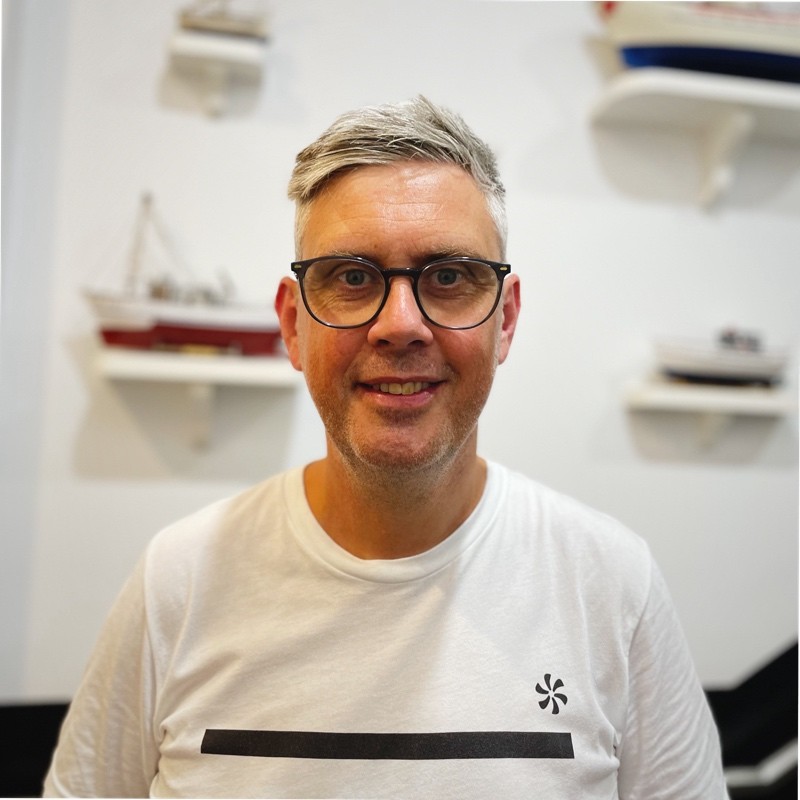
Gavin Sherratt
Founder · GoodShip*
Team member
Gavin founded GoodShip* to bring good people, good ideas and useful technology together around work that can make a genuine difference.
LinkedIn